When weight returns after a gastric bypass, fellowship-trained bariatric surgeon Dr. Reza Keshavarzi finds the cause first, then builds a plan that can pair revision surgery with GLP-1 medication and nutrition support.
Gastric bypass revision is a second operation that adjusts a Roux-en-Y gastric bypass once it stops controlling hunger and weight the way it did in the first years. Over time the pouch can stretch, the connection to the small intestine can widen, and the bypass can lose some of its effect.
Revision is not one standard procedure. It targets the part of your bypass that has changed, so every plan starts with a close look at your current anatomy.
A pouch that has stretched holds larger meals before you feel full. Making it smaller again restores fullness at smaller portions.
When the opening from the pouch into the intestine widens, food empties quickly and hunger comes back sooner. Narrowing the outlet slows that emptying.
For selected patients, changing how much intestine food bypasses strengthens the metabolic effect of the operation. This option is decided case by case.
A revision evaluation makes sense when the bypass that once worked is no longer doing its job. These are the reasons patients most often bring up with us.
Regain does not mean you failed. Bodies adapt to a bypass over time, and the evaluation shows whether the cause is anatomical, behavioral or both.
Dr. K does not treat surgery and medication as rivals. His plans combine GLP-1 medication, bariatric surgery, nutrition coaching and psychological support in the mix that fits each patient, followed by concierge follow-up.
| Option | What It Addresses | Often a Fit When |
|---|---|---|
| Revision surgery | A stretched pouch, a widened outlet or a bypass that has lost its effect | Endoscopy shows an anatomical change behind the regain |
| GLP-1 medication | Appetite and hunger signals | Your anatomy looks sound, or as support before or after revision |
| Nutrition coaching and psychological support | Grazing, eating patterns and emotional eating | Every plan, with or without surgery |
If surgery is part of your plan, weight loss injections are stopped at least 2 weeks before the procedure.
Every revision follows the same order: understand the cause, prepare carefully, change only what needs changing, then stay close afterward.
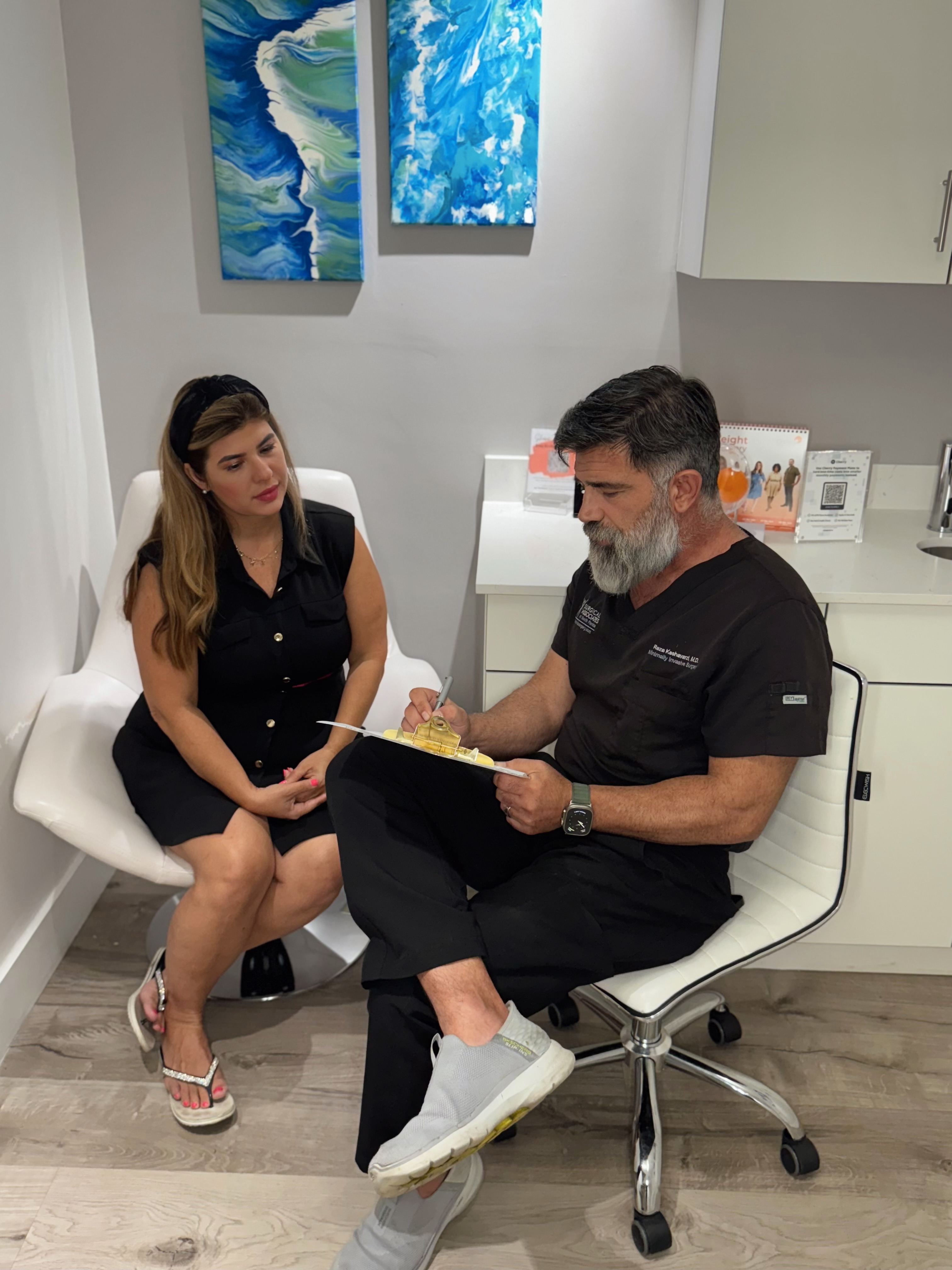
Dr. K reviews your original surgery, your weight history and what has changed since. You leave knowing which options fit you and which tests come next.
An upper endoscopy, or EGD, shows the size of your pouch and outlet, and it can be done by Dr. K or elsewhere. Medical clearances are completed before a surgery date is set.
A pre-surgery diet is part of every surgical plan and prepares your body for the operation. Our team supports you through the whole preparation period.
Dr. K performs the revision chosen for your anatomy. After our bariatric procedures, patients typically return to work in 4 to 7 days and avoid lifting more than 20 lbs while they heal.
Dr. K stays reachable after surgery and contacts patients from his own cell phone. Nutrition coaching continues to support your result after surgery.
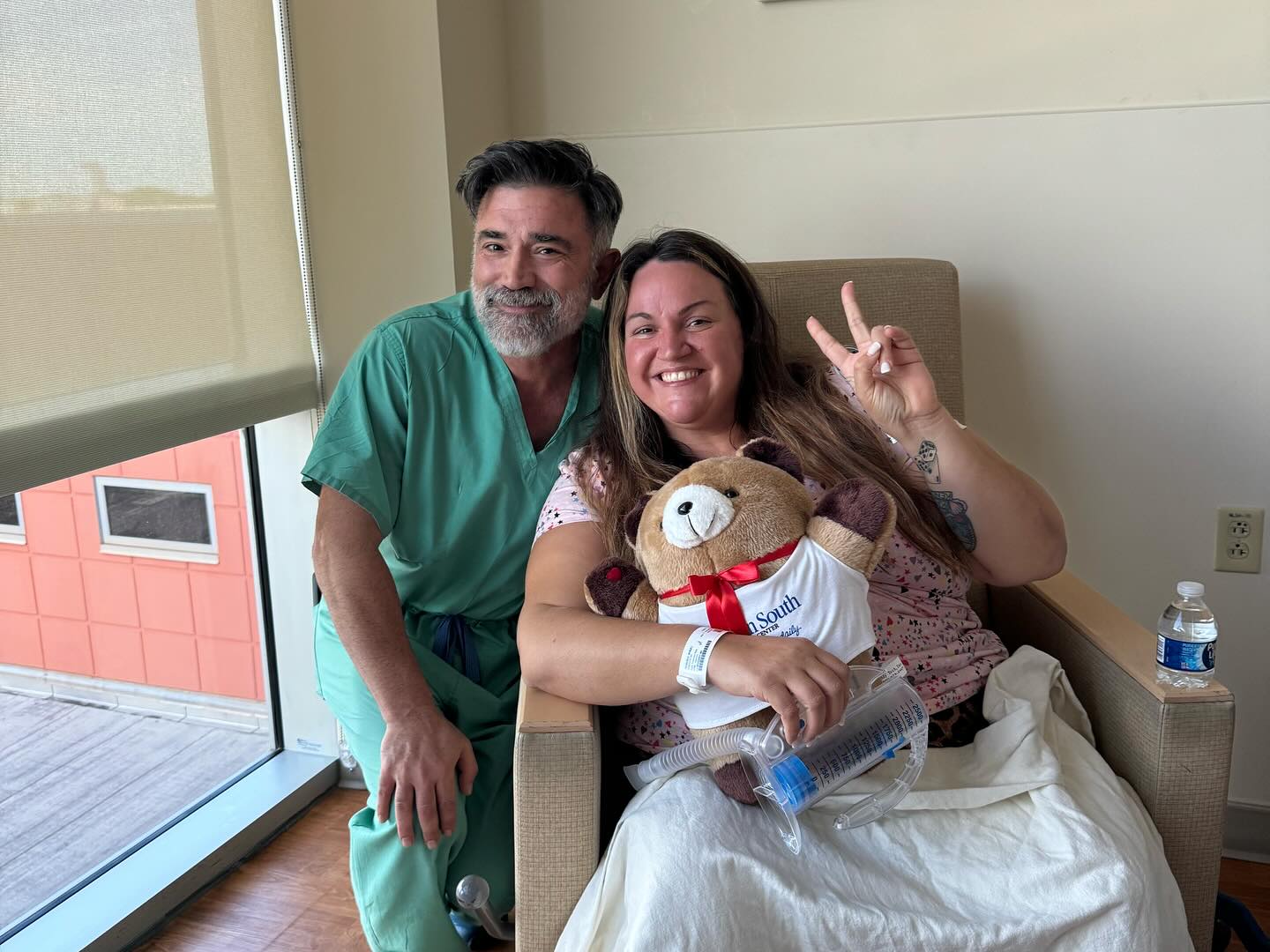
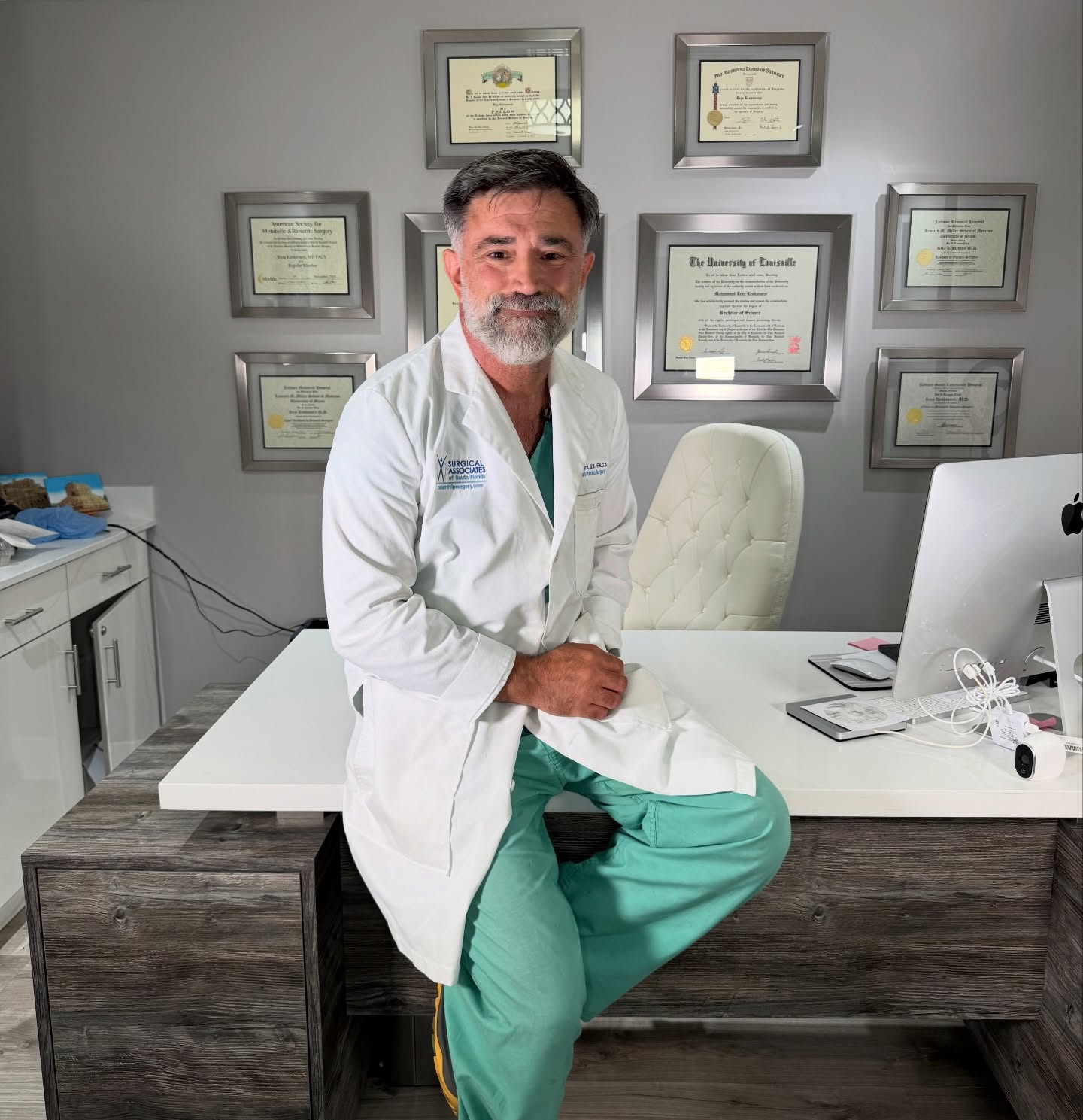
Dr. Reza Keshavarzi, MD, FACS, known to patients as Dr. K, is a board-certified bariatric surgeon and Diplomate of the American Board of Surgery. He completed his surgical residency at Jackson Memorial Hospital and a fellowship in laparoscopic, bariatric and robotic surgery at Jackson South Medical Center.
Revision work depends on understanding how the first operation was built. Dr. K performs gastric bypass, gastric sleeve, endoscopic sleeve gastroplasty and ORBERA gastric balloon procedures and oversees medical weight loss, so he can weigh every option rather than steer you toward one.
Reviews from our gastric sleeve and weight loss patients return to the same themes. Care continues long after surgery, and the surgeon answers when you reach out.
3 years ago I had my gastric sleeve and since then he has continue with his care and professionalism, guiding me so that the surgery continues to be a success.
Glorivee G., Google review
From my 1st visit he made me feel at ease with my decision to pursue bariatric surgery.
Yesi, Google review
His timely communication and expert guidance were instrumental in helping me reach my health goals.
Jeff D., Google review
The cost of a revision depends on what needs to change, so your price is set after the evaluation rather than quoted in advance. We walk you through the full quote and your financing options at your consultation.
Financing through Cherry spreads the cost into monthly payments, and debit and credit cards are accepted for the remaining balance.
 Cherry is accepted as a payment method for surgery.
Our office is in South Miami, right next to Coral Gables, so patients from Coral Gables can reach us without a long drive. Follow-up visits after your revision take place here, close to home.
Much of the preparation can stay local too. Required tests can be done at our clinic or at an outside facility, whichever is easier for you.
Revision is considered for patients who have regained a meaningful amount of weight after gastric bypass, who lost less than expected, or who have ongoing symptoms after the first operation. The decision rests on what an endoscopy and evaluation show about your pouch and connection, along with your eating patterns and health history. Some patients are better served by medication and nutrition support first, and we will tell you if that is the case.
Often, yes. When the pouch or the opening into the small intestine has widened, it can hold more food and let it pass faster, which reduces fullness. Revision can make the pouch or the outlet smaller again. The upper endoscopy done during your evaluation shows whether stretching is part of the picture.
For some patients it can, either on its own or alongside revision surgery. Dr. K builds plans that use GLP-1 medication, surgery, nutrition coaching and psychological support in the combination that fits the patient. If surgery is part of the plan, weight loss injections are stopped at least 2 weeks before the procedure.
Recovery depends on which revision is performed. After our bariatric procedures, patients typically return to work in 4 to 7 days and avoid lifting more than 20 lbs during early healing. Your surgeon confirms your own timeline before surgery.
Coverage depends on your plan and on the medical reason for the revision, so we review each case individually. For patients paying directly, financing through Cherry is available, including 24 months at 0% interest.
Yes, a bypass performed by another surgeon is evaluated the same way. Endoscopy and testing show how your anatomy looks today, and the revision plan is built from those findings. Records from the original operation help when they are available.
Find out why your weight has changed since your bypass and which options fit you, from revision surgery to medication and nutrition support.