
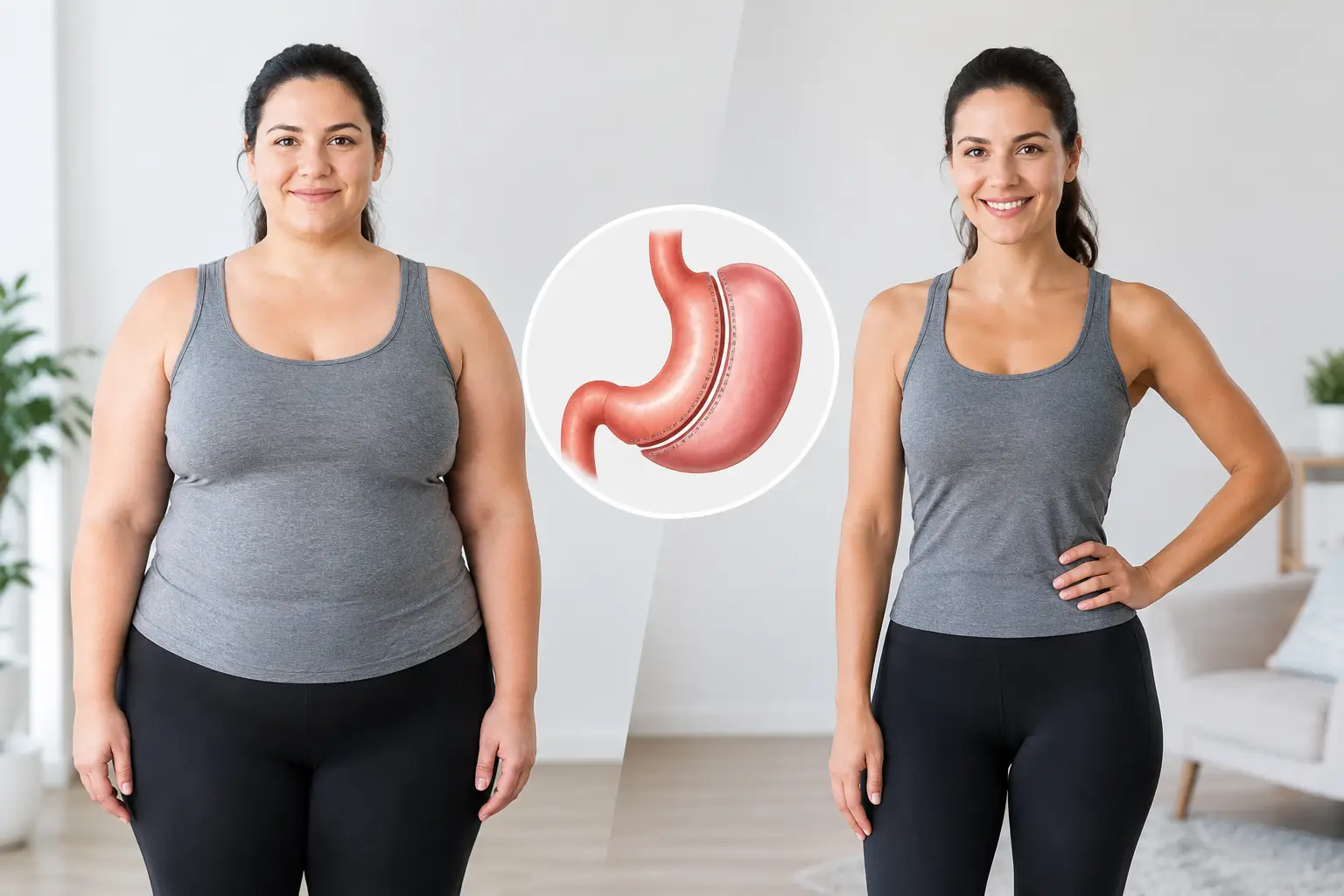
A before-and-after photo can show a striking physical change, but it cannot show the quieter victories: walking without joint pain, feeling satisfied with a smaller meal, seeing blood pressure improve, or getting dressed without planning an outfit around what feels most forgiving. Gastric sleeve before and after results are about far more than a number on the scale. They reflect a medical procedure, a changing relationship with food, and the daily choices that turn initial weight loss into a lasting transformation.
What Gastric Sleeve Before and After Results Can Include
Gastric sleeve surgery, also called vertical sleeve gastrectomy or VSG, permanently removes a large portion of the stomach and leaves a narrow, sleeve-shaped stomach. The procedure limits the amount of food that can be comfortably eaten at one time and can reduce hunger-related signaling. It does not remove the need for thoughtful nutrition, movement, follow-up care, or emotional support. Instead, it creates a powerful medical tool to make those changes more achievable.
For many patients, results begin with a different experience of appetite and portions. Meals become smaller. Protein and hydration become priorities. The urge to eat may feel less constant or less consuming. Over time, the outward changes can include a smaller clothing size, improved mobility, more defined facial features, and greater comfort in social settings. Yet the health changes are often just as meaningful.
Weight loss after gastric sleeve may support improvement in obesity-related conditions such as type 2 diabetes, high blood pressure, sleep apnea, fatty liver disease, joint strain, and elevated cholesterol. The degree of improvement varies. Some conditions may improve quickly, while others require continued medication or specialized care. No responsible surgeon should promise a specific number on the scale or a guaranteed resolution of a medical condition.
The Timeline: What Changes From Before Surgery to After
Every body responds differently, but the pace of change generally follows a recognizable pattern. The first year is often the most active period of weight loss, while the years afterward are where patients build the routines that protect their progress.
Before surgery: preparation changes the experience
The “before” phase is not simply a starting weight or a preoperative photograph. It is the period when patients prepare their body and mindset for surgery. A thorough evaluation considers health history, eating patterns, medications, sleep, metabolic concerns, and the reasons prior dieting attempts have not lasted.
Patients are typically guided through a preoperative nutrition plan and asked to establish practical routines before surgery. Learning to sip fluids consistently, prioritize protein, slow down at meals, and recognize emotional eating patterns early can make recovery more manageable. For some people, working through anxiety, stress eating, or a long history of shame around weight is a central part of preparation.
This is also when expectations matter most. A gastric sleeve is not a cosmetic shortcut, and it is not a test of willpower. It is a carefully considered treatment for patients whose biology, appetite regulation, health risks, and lived experience have made conventional weight loss difficult to sustain.
The first weeks: recovery and adjustment
Immediately after surgery, the focus is recovery rather than dramatic weight loss. Patients progress through a surgeon-directed eating plan, usually beginning with liquids and advancing gradually to soft foods and then regular textured foods as appropriate. Hydration is essential, and eating too quickly can cause discomfort, nausea, or vomiting.
Early weight loss can be rapid, but energy levels may fluctuate while the body heals and adjusts to lower calorie intake. Incision discomfort, fatigue, and temporary changes in bowel habits can occur. Following instructions closely, attending follow-up appointments, and communicating concerns promptly help keep recovery on track.
The smallest habits often matter most during this phase: taking small sips throughout the day, meeting protein goals, using recommended vitamins and supplements, and allowing enough time to rest. These practices may sound simple, but they form the foundation for better results later.
Three to six months: visible momentum
For many patients, the three- to six-month period is when gastric sleeve before and after results become visibly apparent. Clothing may fit differently, mobility may improve, and friends or family may begin to notice the change. It can also be a period of emotional adjustment.
Compliments can feel encouraging, but they can also bring attention that a patient may not want. Some people are surprised by how quickly their body changes, while others become discouraged if their pace differs from someone else’s. Comparing one transformation to another is rarely useful. Starting weight, age, muscle mass, hormones, activity level, medical conditions, and adherence to nutrition guidance all influence outcomes.
A plateau can also happen during this stage. Plateaus are not necessarily failure. The body adapts during weight loss, and progress is not always linear. Reviewing food choices, protein intake, hydration, sleep, activity, and stress with the care team is more productive than responding with restriction or self-criticism.
One year and beyond: protecting the transformation
By 12 to 18 months, many patients have reached or approached their lowest postoperative weight. Research commonly reports substantial excess weight loss after sleeve gastrectomy, but percentages can be misleading when used as personal promises. Two patients may have similar surgical experiences and very different outcomes because their bodies, medical histories, and post-surgical habits differ.
Long-term success is not measured only by maintaining a particular number. It can mean stable lab values, fewer limitations, a stronger body, a calmer relationship with meals, and the confidence to participate more fully in life. Some weight regain is possible after any bariatric procedure, particularly when grazing, liquid calories, alcohol use, stress eating, or missed follow-up gradually return. Recognizing these patterns early gives patients the opportunity to reset with support.
Why Before-and-After Photos Tell Only Part of the Story
Photos can be motivating when they are viewed honestly. They may document a real physical transformation, but lighting, posture, clothing, timing, and image editing can distort expectations. More importantly, an image cannot show whether someone is meeting nutritional needs, preserving muscle, managing stress, or feeling emotionally well.
A more complete way to assess progress includes body composition, waist measurements, laboratory values, medication changes, sleep quality, stamina, and daily comfort. It also includes personal milestones that cannot be photographed: sitting comfortably in an airplane seat, joining a family activity, or feeling present rather than preoccupied with food.
Loose skin is another realistic part of many before-and-after journeys. The amount depends on age, genetics, total weight loss, skin elasticity, and the speed of weight loss. Strength training, hydration, and adequate protein support overall body composition, but they cannot guarantee how skin will respond. Patients deserve candid conversations about this possibility before surgery.
The Habits That Support Stronger Results
Gastric sleeve surgery changes stomach capacity, not the need for lifelong care. The patients who protect their results usually return to a few consistent principles: protein-first meals, regular hydration, portion awareness, planned movement, vitamin adherence, and follow-up with their clinical team.
Movement does not have to begin as an intense fitness routine. Walking, resistance training, swimming, or any activity a patient can sustain can help preserve lean muscle and support metabolic health. The best plan is one that fits real life, physical ability, and personal preferences.
Psychological support matters just as much. Food may have served as comfort, celebration, distraction, or stress relief long before surgery. When eating patterns change, patients benefit from developing other ways to regulate emotion and care for themselves. This is especially important during major life stress, travel, holidays, or social events, when old habits can quietly reappear.
Choosing Care That Looks Beyond the Procedure
The quality of the surgical program shapes the quality of the experience. A high-touch bariatric pathway should include careful candidacy assessment, surgeon-led decision-making, nutrition education, psychological support, body-composition monitoring, and reliable postoperative follow-up. Patients should feel comfortable asking how their care will continue after the operation, not just what happens on surgery day.
At Miami VIP Surgery, Dr. Reza Keshavarzi, MD, FACS, FASMBS, known as Dr. K, approaches gastric sleeve care as a personalized reinvention supported by advanced minimally invasive technique and long-term guidance. For appropriate candidates, that individualized approach can make the journey feel less like a transaction and more like a supported commitment to health.
The most meaningful before-and-after result is not a picture taken at a single milestone. It is the moment a patient recognizes that healthier choices, greater confidence, and a fuller life have become part of their everyday reality.
