
Dr. Reza Keshavarzi's Mini Sleeve brings a laparoscopic gastric sleeve to patients with a BMI of 25 to 30, a range traditional bariatric criteria leave out.
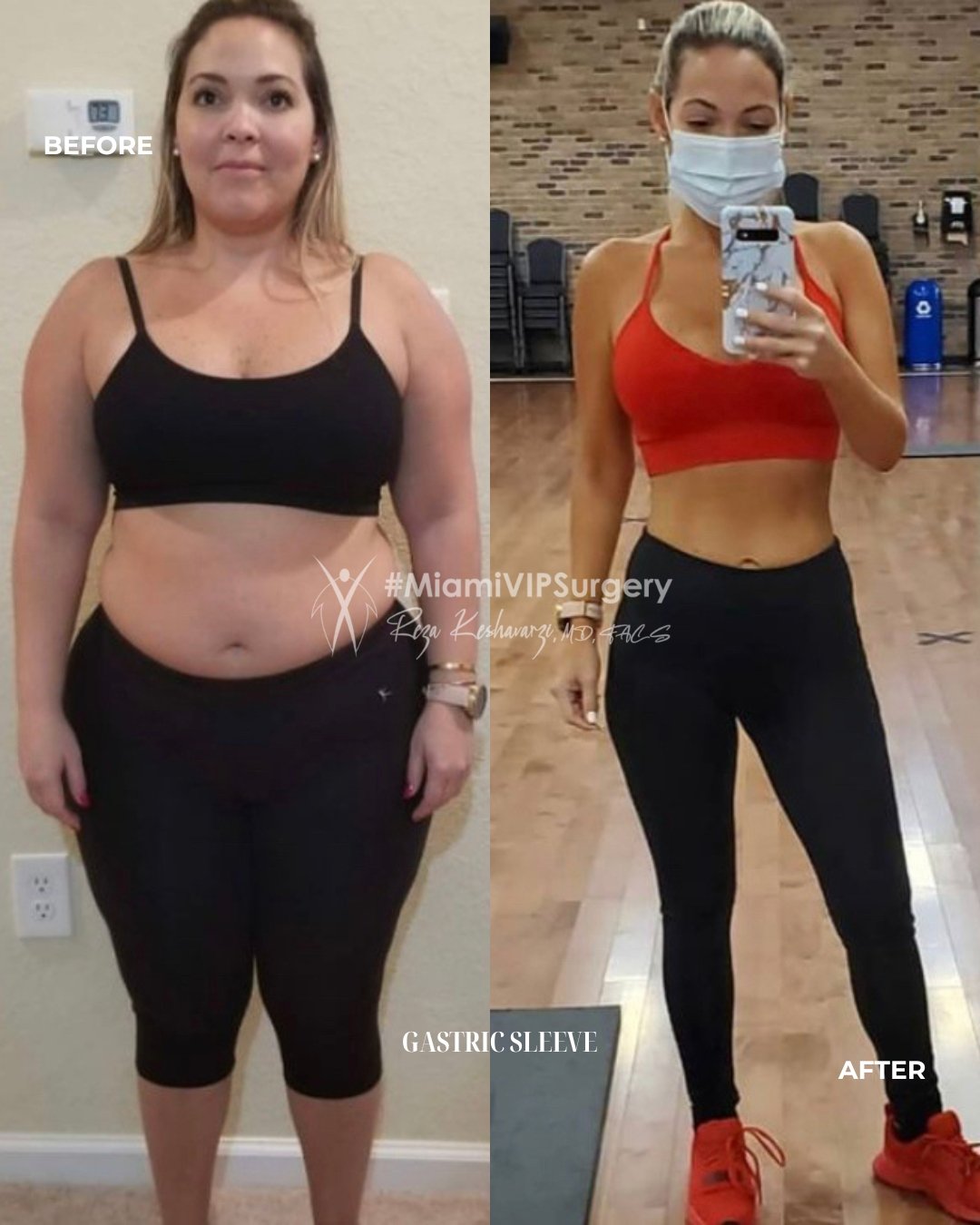
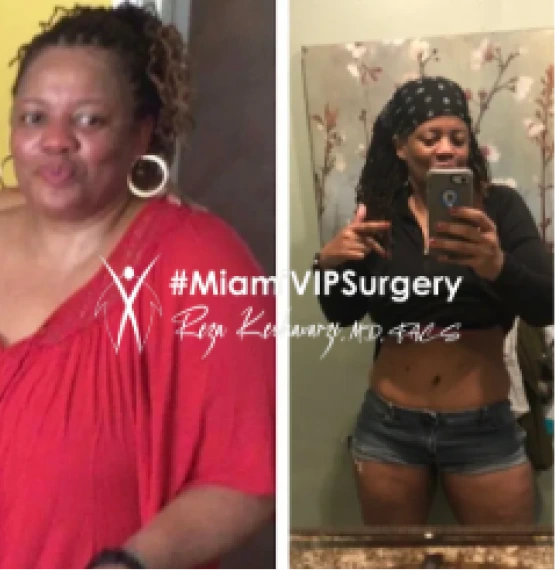
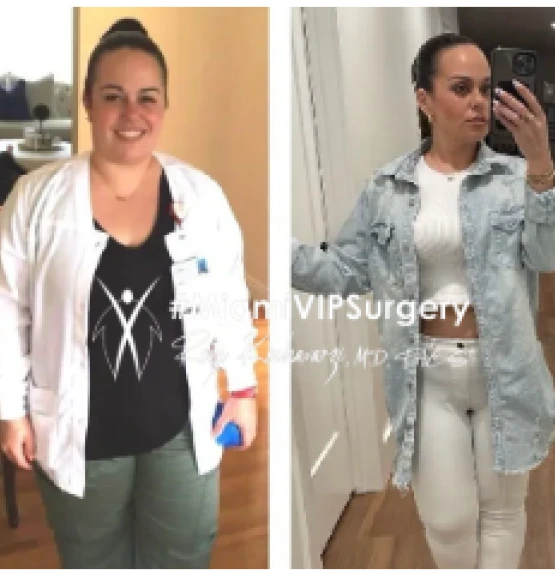
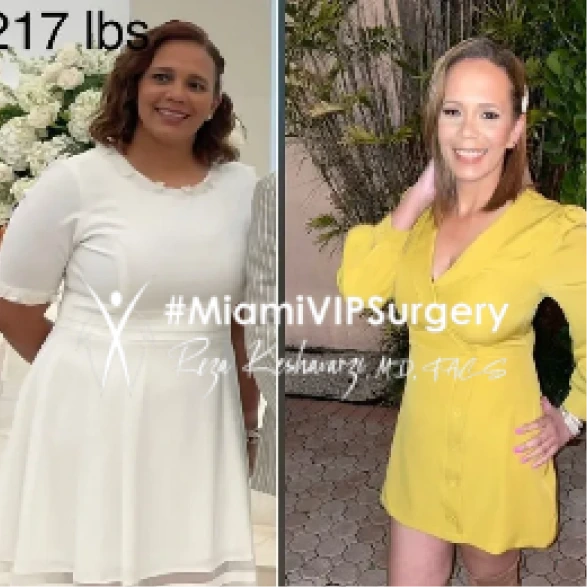
Each pair is a patient Dr. K treated, photographed before surgery and again after their weight loss. Two of these patients started in the low BMI range the Mini Sleeve is designed for.
 BeforeAfter
 BeforeAfter
 BeforeAfter
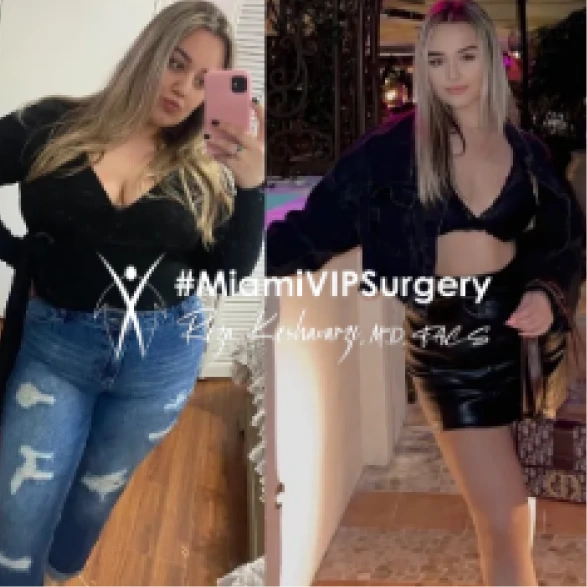 BeforeAfter
Individual results vary with starting weight, health and follow-through on nutrition and follow-up care.
A low BMI gastric sleeve is a sleeve gastrectomy offered to people who carry less excess weight than a typical bariatric patient. Dr. K calls his version the Mini Sleeve and plans it for patients with a BMI of roughly 25 to 30.
The surgery is laparoscopic. Through a few small incisions, Dr. K removes a portion of the stomach and shapes what remains into a narrow sleeve. A smaller stomach holds less food, and many patients also notice less hunger, so portion control stops depending on willpower alone.
Most bariatric criteria start at a higher BMI, which leaves people in this range with diets, medications or nothing. The Mini Sleeve gives them a surgical option, performed by a fellowship-trained bariatric surgeon who also offers every nonsurgical alternative and can tell you honestly which one fits.
The Mini Sleeve suits adults in the lower BMI range who have already done the work and keep losing ground. You may be a candidate if several of these describe you.
You are above a healthy weight but have been told your BMI is too low for weight loss surgery.
You lose weight on structured plans but regain it once the plan ends, again and again.
Medication helped, but you regained after stopping or prefer not to stay on it indefinitely.
Blood pressure, blood sugar, joint pain or energy are moving in the wrong direction as weight creeps up.
You are looking for a change to how much your stomach holds, not another short-term program.
You will follow the pre-surgery diet, nutrition plan and first-year follow-up that protect your result.
Dr. K offers every main option for patients in the lower BMI range, so the recommendation follows your health and goals rather than the one procedure a practice happens to perform.
| Option | Type | How It Works | Often Chosen By |
|---|---|---|---|
| Mini Sleeve | Laparoscopic surgery | Removes a portion of the stomach and leaves a narrow sleeve | Patients who want a lasting surgical change to how much they can eat |
| ESG | Endoscopic, through the mouth | Internal sutures fold the stomach to reduce its volume | Patients who prefer a procedure with no incisions |
| ORBERA Balloon | Endoscopic placement | A balloon fills space in the stomach for a set period, then is removed | Patients who want a temporary, nonsurgical start |
| Medical Weight Loss | Medication and coaching | GLP-1 medication lowers appetite alongside a personalized plan | Patients who prefer no procedure, or a combined plan |
Dr. K's approach: GLP-1 medication, bariatric surgery, nutrition coaching and support, used alone or together when it serves you.
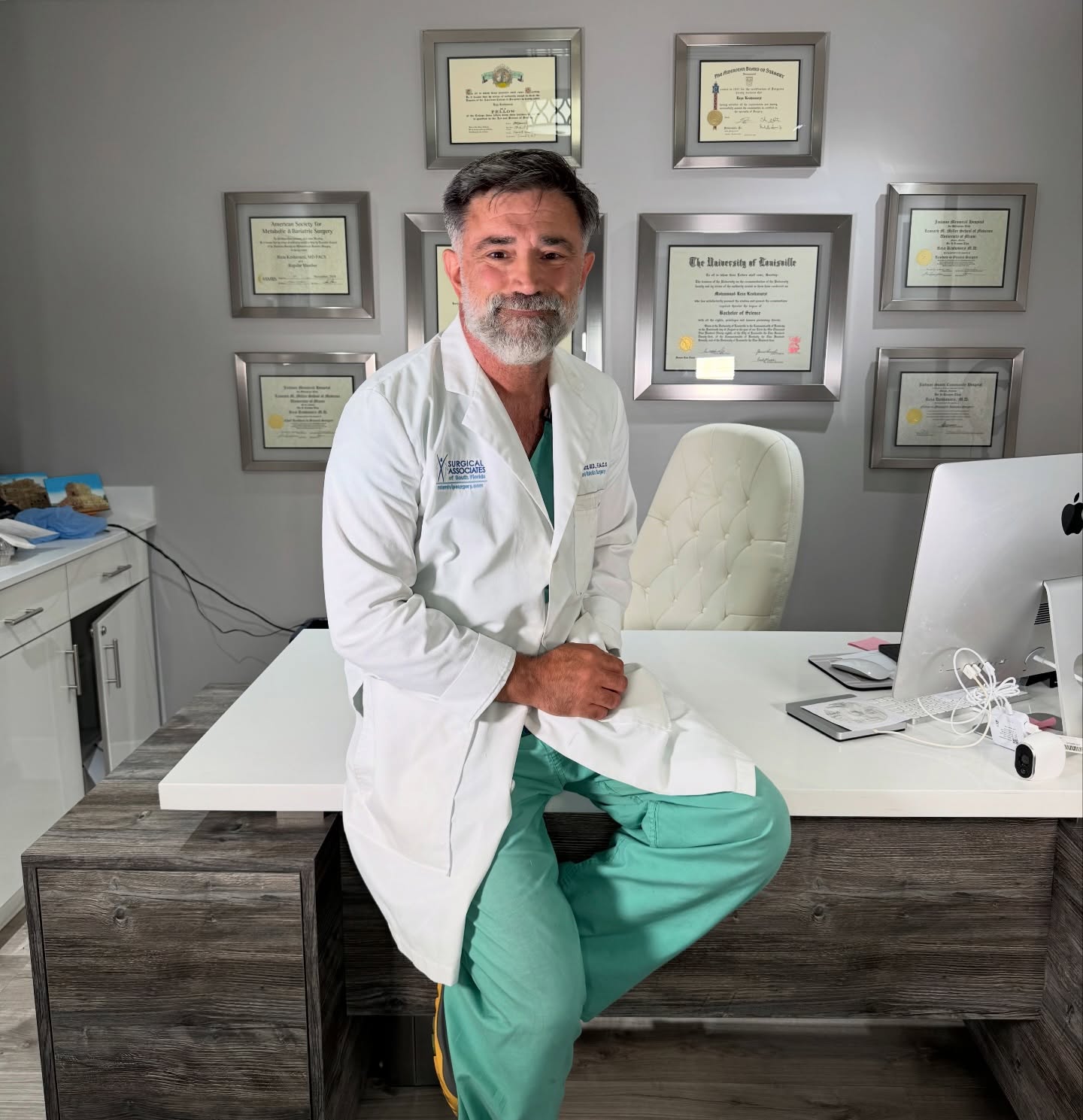
Dr. K is a board-certified surgeon focused on bariatric and minimally invasive surgery. He performs the gastric sleeve, the Mini Sleeve, teen gastric sleeve, gastric bypass, ESG and the ORBERA balloon, and he oversees our medical weight loss program.
Patients notice the access. Dr. K reaches out from his own cell phone, so questions before and after surgery go straight to the surgeon who operated.
Dr. K practices what he preaches. Staying active, eating well and keeping a healthy weight are part of his own life, and he coaches patients toward the same habits.
Scheduling moves as quickly as your preparation does. Surgery dates are often available within the same month once your tests are complete.
Meet Dr. K at no charge to review your weight history, health and goals, and compare the Mini Sleeve with your other options.
Medical clearances and an upper endoscopy (EGD) are required. An EGD from the past five months counts, and one performed by Dr. K is included in the procedure cost.
You follow a pre-surgery diet. If you use weight loss injections, you stop them at least two weeks before surgery.
Most patients return to work 4 to 7 days after surgery and avoid lifting more than 20 lbs while they heal.
Follow-up appointments for the first year are part of the package, with nutrition guidance to protect your result.
Yesi, gastric sleeve patient"He has been there the whole process, provided his cell phone to make sure he could be reached at all hours."
Angelica A., gastric sleeve patient"Best decision i've ever made, i'm 4 months post-op & 60 lbs down."
Pat C., Google review"The doctor was very straightforward and honest and extremely professional."
Our sleeve pricing is a single package, so you know what is covered before you commit. Dr. K confirms your Mini Sleeve plan and quote at your consultation.
When Dr. K performs your EGD, a separate $750 hospital fee applies to that procedure.
Straight answers to what patients ask most before their consultation. Read more on our main low BMI gastric sleeve page.
Dr. K's Mini Sleeve is designed for patients with a BMI of roughly 25 to 30. Traditional bariatric surgery criteria start at a higher BMI, so many people in this range are told they do not qualify for a sleeve. At your consultation, Dr. K reviews your weight history and health to decide whether the Mini Sleeve or another option fits you.
It depends on how long you have struggled to keep weight off and what you have already tried. For patients who regain weight after diets or medications, a sleeve changes how much the stomach holds rather than relying on willpower alone. Dr. K will tell you plainly if a less invasive option makes more sense for you.
Yes, many patients who come to us have used or are using injections. You stop the injections at least two weeks before surgery. After recovery, Dr. K may combine medication, nutrition coaching and follow-up when that helps you keep your results.
Patients typically return to work 4 to 7 days after the procedure. You avoid lifting anything heavier than 20 lbs during early recovery. Your follow-up visits guide when you can return to full activity.
A bypass both reduces the stomach and reroutes part of the intestine, while a sleeve only reduces the stomach. Speed of weight loss varies from person to person with either procedure. For patients starting at a BMI of 25 to 30, Dr. K built his low BMI option around the sleeve, and he performs both procedures so the recommendation is based on your health.
Surgery and in-office visits take place at our South Miami office, a drive south from Hollywood on I-95 or Florida's Turnpike. Between visits, our team can send documents and next steps by text message. Your first year of follow-up appointments is included in the sleeve package.
Find out in one visit whether the Mini Sleeve fits your BMI, your health and your goals. Patients from Hollywood and across Broward County see Dr. K at our South Miami office.
7330 SW 62nd Pl STE 210
South Miami, FL 33143
Monday to Friday, 9:00am to 4:00pm
Saturday and Sunday, closed