
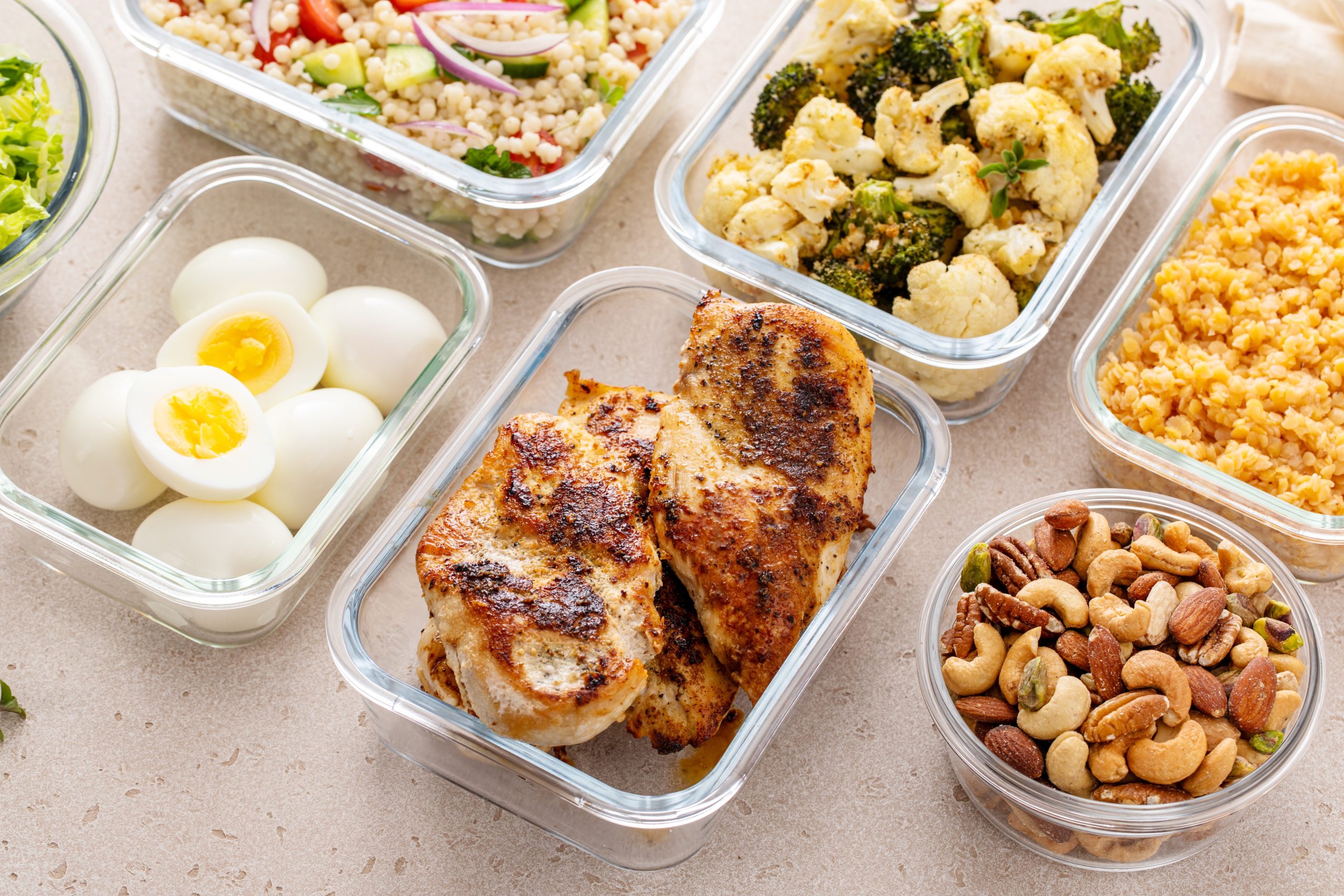
Whether you’ve undergone a minor procedure or major operation, the food you eat plays a crucial role in how quickly and effectively your body recovers. Protein serves as the building block for healing, helping repair damaged tissue and supporting immune function during this vulnerable time.
Why Protein Matters After Surgery
When your body experiences surgical trauma, it enters a heightened metabolic state. Your protein requirements may increase by 50-100% above normal levels, depending on the extent of your procedure. Protein provides essential amino acids that:
- Support wound healing and tissue repair
- Maintain muscle mass during periods of reduced activity
- Strengthen the immune system function to prevent infection
- Help produce enzymes and hormones necessary for recovery
Insufficient protein intake can lead to slower healing, increased risk of complications, and prolonged weakness. This makes a structured post-surgery meal plan essential for optimal recovery.
Creating Your Post-Surgery Meal Plan
The timeline for advancing your diet after surgery varies significantly based on the type of procedure. Always follow your surgeon’s specific guidelines, but most post-operative diets follow a progressive pattern.
The Clear Liquid Phase
Immediately after surgery, most patients start with clear liquids. This phase typically lasts 24-48 hours and includes broth, clear protein drinks, sugar-free gelatin, and diluted juice. While protein options are limited here, bone broth provides a small amount of easily absorbed protein and important minerals.
Advancing to Full Liquids
As you tolerate clear liquids, you’ll progress to full liquids that offer more protein opportunities. This phase might include:
- Protein shakes and smoothies (aim for 20-30 grams per serving)
- Strained cream soups made with milk or protein powder
- Plain Greek yogurt thinned with milk
- Milk or fortified soy milk
Sip slowly and consume small amounts throughout the day rather than large volumes at once. Your stomach needs time to adjust, and overwhelming it can cause nausea or discomfort.
Transitioning to Solid Foods: A Gradual Approach
Moving to solid foods represents a major milestone in recovery, but it requires patience. Most patients transition through a pureed or soft food stage before returning to regular textures.
The Pureed Stage
- Pureed foods should have a smooth, pudding-like consistency, with no chunks. High-protein options include:
- Pureed chicken, turkey, or fish mixed with low-sodium broth
- Cottage cheese blended until smooth
- Silken tofu
- Mashed beans or lentils
- Scrambled eggs blended to a smoother consistency
Focus on protein first at each meal, then add pureed vegetables if you have room. Eat slowly and stop when you feel satisfied, not stuffed.
Soft Foods
Once you tolerate pureed foods well, you can advance to soft, easily chewed options. This phase emphasizes tender proteins that require minimal digestion:
- Flaked, moist fish like salmon or tilapia
- Ground turkey or chicken
- Soft-scrambled or poached eggs
- Ricotta cheese or regular cottage cheese
- Canned tuna or chicken mixed with Greek yogurt
- Tofu prepared in soft textures
Chew thoroughly and take small bites. Your digestive system is still adjusting, and large pieces of food can cause discomfort.
High-Protein Meal Ideas for Recovery
Creating variety in your meals helps prevent boredom and ensures you’re getting different amino acids and nutrients. Here are practical meal ideas for different stages of recovery.
Breakfast Options:
- Greek yogurt parfait with protein powder stirred in
- Scrambled eggs with cheese
- Protein smoothie with banana, nut butter, and milk
- Cottage cheese with soft fruit
Lunch and Dinner:
- Baked cod with mashed sweet potato
- Turkey meatballs with marinara sauce
- Chicken salad made with Greek yogurt
- Lentil soup with added protein powder
- Salmon cakes with soft vegetables
- Tofu scramble with cheese
Snacks:
- String cheese or cheese cubes
- Hard-boiled eggs
- Protein shake
- Hummus with soft pita
- Nut butter on soft crackers
Special Considerations for Bariatric Surgery
Bariatric surgery requires an especially structured approach to nutrition. These procedures fundamentally change how your digestive system processes food, making protein prioritization critical.
After bariatric surgery, your stomach capacity is significantly reduced. You might initially tolerate only 2-4 tablespoons of food at a time, gradually increasing to about 1 cup per meal. This makes every bite count. Protein must come first at every meal because:
- You need 60-80 grams daily, but you can eat very little
- Protein prevents muscle loss during rapid weight loss
- It keeps you feeling satisfied longer
- It supports the dramatic metabolic changes your body is experiencing
Many bariatric patients benefit from keeping protein shakes as part of their long-term routine, even after advancing to regular foods. Drinking 1-2 protein shakes daily helps meet protein goals when solid food intake remains limited.
Avoiding Common Bariatric Pitfalls
Don’t drink liquids with meals – wait 30 minutes before and after eating. Liquids fill your small stomach pouch, pushing out space for protein-rich foods. Additionally, avoid:
- Carbonated beverages that cause uncomfortable gas
- High-sugar foods that can trigger dumping syndrome
- Tough, dry meats that are difficult to digest
- Eating too quickly or not chewing thoroughly
Healthy Eating Habits That Support Recovery
Beyond just choosing high-protein foods, how you eat matters tremendously during recovery.
1. Eat Small, Frequent Meals
Instead of three large meals, aim for five to six smaller meals throughout the day. This approach is gentler on your healing digestive system and helps maintain steady protein intake without overwhelming your reduced appetite.
2. Stay Hydrated
Adequate hydration supports healing and helps prevent constipation, a common post-operative complaint. Sip water, herbal tea, or diluted juice throughout the day, aiming for at least 64 ounces unless your doctor advises otherwise.
3. Listen to Your Body
Pay attention to fullness cues and stop eating when satisfied. Overeating can cause nausea, vomiting, or discomfort that sets back your recovery. If certain foods cause problems, avoid them and try again in a few weeks.
4. Supplement Wisely
Many patients need additional supplements during recovery, especially after bariatric surgery. Common recommendations include multivitamins, calcium, vitamin D, vitamin B12, and iron. Always consult your healthcare team about appropriate supplementation for your specific situation.
Schedule an Appointment at Miami VIP Surgery
Ready to take control of your health and address concerns about weight gain or prepare for a surgical procedure? Our expert team at MiamiVIPSurgery understands that your body heals best when supported by proper nutrition, including high-quality protein that helps rebuild tissue and vitamin C. From teaching you how to sip liquids properly in the early stages to developing a comprehensive long-term nutrition plan, our specialists provide personalized guidance throughout your entire journey.
Contact MiamiVIPSurgery today to schedule your consultation and discover how professional surgical care combined with evidence-based nutritional support can help you achieve your health goals.
Conclusion
Building a successful high-protein post-op meal plan doesn’t mean spending hours in the kitchen or eating bland foods. Simple options like a perfect hard-boiled egg with toasted whole-grain bread, a bowl of low-sugar granola with skim milk and fresh or frozen berries, or tuna salad with your favorite salad fixings can provide the nutrition you need while being easy to prepare. A great nutrient-dense breakfast might include turkey breakfast sausage with scrambled eggs, while a mid-day snack could be Greek yogurt topped with berries. When you’re ready to assemble post-surgery meals that require more preparation, throw ingredients into a soup pot for a recipe that requires minimal effort but delivers maximum nutrition. Remember to limit caffeine drinks as they can cause dehydration and may irritate your healing digestive system.
As you progress through recovery and begin eating solid foods again, don’t forget about the vitamin and mineral supplements recommended by your healthcare team. Your small intestine rapidly absorbs certain nutrients, making supplementation crucial for preventing deficiencies, especially after procedures that affect nutrient absorption. With patience, proper nutrition, and attention to your body’s signals, you’ll successfully navigate the recovery process and emerge stronger, healthier, and better equipped to maintain your wellness long-term. Your commitment to following a structured meal plan today sets the foundation for lasting health benefits tomorrow.
Lasting Weight Loss
